
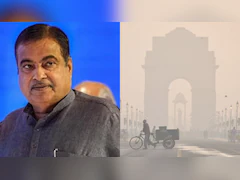
On December 23, 2025, during the launch event of Uday Mahurkar’s book ‘My Idea of Nation First – Redefining Unalloyed Nationalism’ in Delhi, Union Minister for Road Transport and Highways Nitin Gadkari spoke candidly about the capital’s toxic air. He shared a personal experience: “I spend just two days in Delhi and I get an infection/throat infection.” This illustrates the immediate health impact of pollution, even with short-term exposure.
Gadkari directly acknowledged his ministry’s responsibility, stating that the transport sector contributes approximately 40% to Delhi’s pollution, primarily due to its reliance on fossil fuels like petrol and diesel. He criticized India’s annual import of fossil fuels worth approximately ₹22 lakh crore, deeming it detrimental to national interests: “We are spending so much money [on imports] and polluting our own country.” He advocated for self-reliance through alternative fuels, biofuels, electric vehicles, and hydrogen-powered options to achieve zero pollution.
These remarks came amidst severe smog conditions in Delhi-NCR. Around the time of his statement, the Air Quality Index (AQI) had reached hazardous levels (e.g., 413 on the morning of December 23), leading to the implementation of Stage-IV GRAP measures. By the end of December 2025, the AQI fluctuated between the ‘very poor’ and ‘severe’ ranges (350–390+), with dense smog reducing visibility and prompting health advisories.
Gadkari’s comments underscore the urgent need for cleaner transport solutions, aligning with ongoing efforts to reduce vehicular emissions, a major contributor to PM2.5 in urban India. Their emphasis on alternative fuels reflects broader government initiatives towards energy independence and environmental sustainability.