
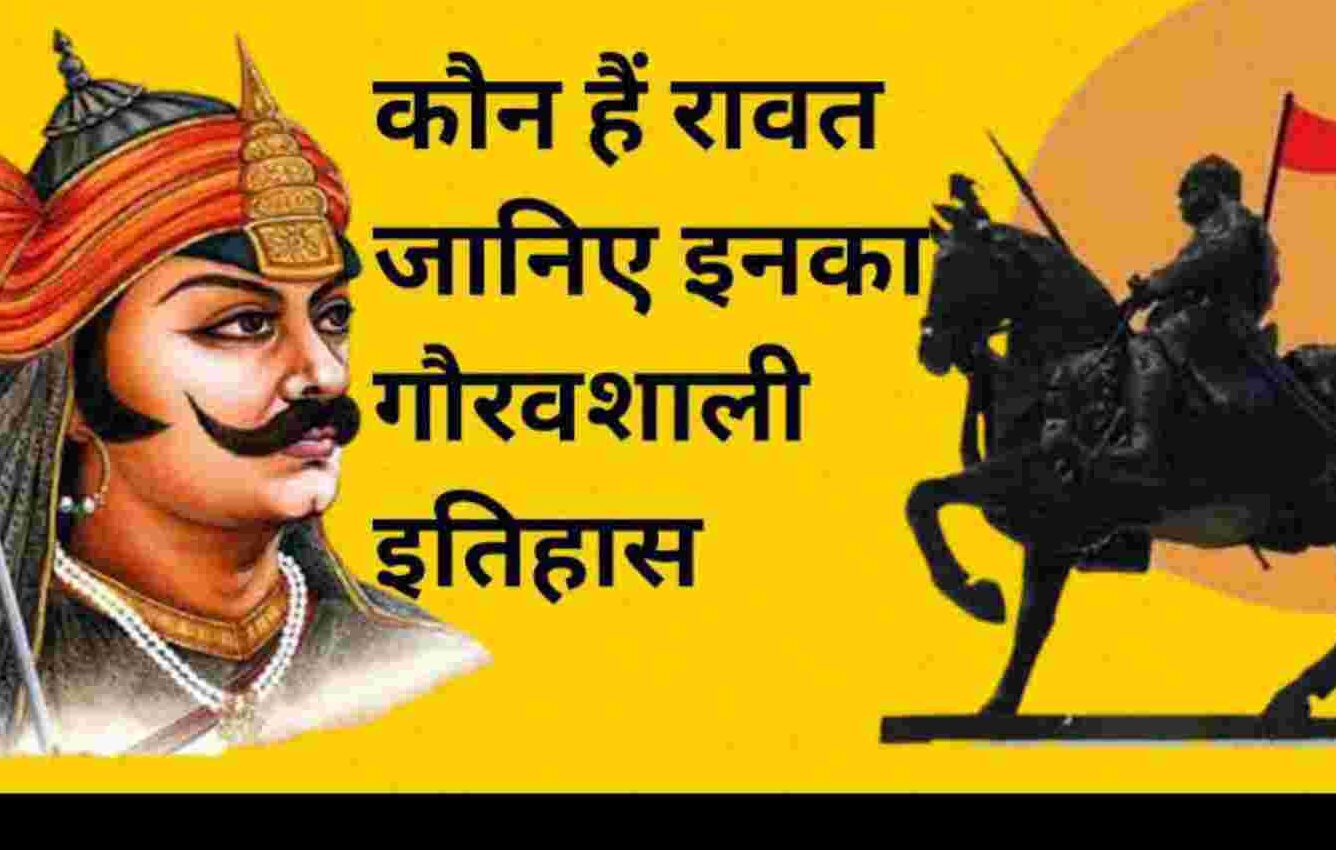
The word “Rawat” is originally a title meaning warrior, chieftain, or commander. In ancient times, this title was given to those who displayed bravery in battle or were protectors/leaders of a region.
In Uttarakhand, this title gradually became a hallmark.
In the Garhwal and Kumaon regions, Rawats have been primarily known as warriors and soldiers.
During the reign of the Garhwal kings, especially Ajay Pal, many Rawats held important positions in the military.
During the British period, many Rawats joined the Indian Army, and even today, Rawat families from Uttarakhand have a strong presence in the military.
You’ve likely heard of and seen members of the Rawat, Negi, Bisht, Aswal, Panwar, Dhannai, and Patwal castes in Uttarakhand. You may also have heard of the Brahmin caste in Uttarakhand. What is the history of these castes? Where did this caste originate and where do the people of this caste belong? What are the beliefs behind these castes? So today we are going to tell you about the glorious history of the Rawat caste.
Meaning of the Rawat Caste
It simply means that strong, valiant, Kshatriya warriors who are adept at swords are called Rawat Rajputs… These Rawats have a title, which was awarded to a Rajput warrior who fought an army of 10 elephants. This title means prince, chief, valorous warrior, and mighty warrior. Someone has described the dignity of the title of Rawat in this way.
A French naturalist wrote this:
In 1832, the French naturalist Mr. Jacquement wrote about the Rawat Rajputs, “No Rajput Chief, No Mughal Emperor had ever been able to subdue them; Merwara always remained independent.”
The Rawat caste in Uttarakhand came from Rajputana families across different regions.
This means that neither a Rajput king nor a Mughal emperor could subjugate the Rawats. The kingdom of these Rajputs always remained independent. It is said that the Rawat caste in Uttarakhand came from various Rajputana families. Prominent names like Nain Singh Rawat, General Bipin Rawat, and Trivendra Singh Rawat have captivated everyone with their brilliance.
It is said that the title of Rawat in Rajasthan was first bestowed upon Vihal Chauhan, a Rajput chieftain from the Anup dynasty of Barar Rajputs. He was awarded this title by Rawal Jaitsi in the Mewar court for his valor. For this, he was granted the Garhbaur (four-armed) kingdom of 10 villages. The Rawat Rajputs have always been rich in self-respect. They accepted the beheading of their heads but never accepted subjugation, leading to a glorious history.
The Rawat caste ruled many of the 52 forts in Garhwal
Many of the 52 forts in Garhwal were ruled by the Rawat caste. Mungra Garh, located in Rawai, belonged to the Rawat caste, and was inhabited by the Rautelas. Rami Garh was also ruled by Rawats. Biralta Garh is another fort ruled by Rawat kings. The last ruler of this fort was Bhup Singh, located in Jaunpur. Kanda Garh, located in Rawatsyun, also held sway over Badhan Garhi in Chamoli.
The Rawat community is an integral part of Uttarakhand’s rich folk culture:
Active participation in folk dances and festivals
Special role in the worship of deities
Preservation of traditional costumes and customs
Contributions in modern times
Today, the Rawat community has made its mark in every field:
Notable contributions to the Indian Army and paramilitary forces
Success in education, administration, politics, and sports
Advancing Uttarakhand’s social and cultural identity
Conclusion
The history of the Rawats in Uttarakhand is not limited to past valor; it is a living tradition even today. The name “Rawat” is considered a symbol of courage, honor, and responsibility, passed down from generation to generation.